Core Stability | The Key to Functional Fitness
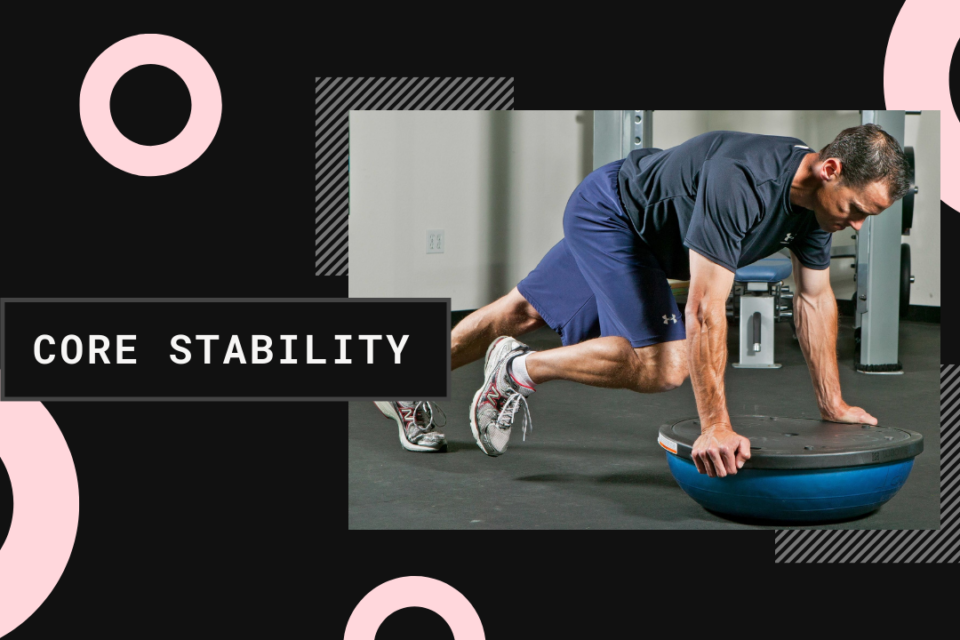
Functional Fitness is an exercise that makes daily activities like lifting or bending easier and safer by improving overall strength, balance, and movement. Core stability is whereby you keep the spine still but everything else moves now this uses what we call global stabilizing muscles so these global stabilizing muscles are responsible for holding our spine still or keeping it stable that’s why it is called core stability. You are keeping your spine straight and your core engaged and as you are doing that other things are moving so like your arms or your legs are moving but you can keep the spine in the same position it does not move.
Understanding core stability is important for fitness professionals, especially for those studying anatomy and physiology, which will help these professionals see and help their clients so that they can achieve their fitness goals effectively. In this blog, we will explore the importance of core stability and how it plays a vital role in functional fitness.

The Role of Core Stability in Functional Fitness:
Core stability has a very important role in functional fitness because it makes muscles stable during exercises, especially your spine. The core stability enhances daily life and also prevents injuries. By applying this stability in functional fitness it will help in staying active with kids, improving sports performance, and feeling stronger and more capable.
Core stability prevents injuries that could affect work and personal life. It is especially important for lower back pain. The core contains important muscles, such as the abdominis, rectus abdominis, obliques, and lower back muscles. Having a strong core improves posture, which reduces the risk of injury. These muscles support the spine and help absorb stress.
Applying core stability also maintains and improves balance and coordination, which is helpful in any kind of sports or fitness activity. This gives better control of the body. Breathing also plays a big part, by breathing in the right way helps in core stability, and with the help of this the deep muscles get activated and the spine becomes more stable.
When performing functional fitness every day, the role of the core is present at every moment. The core helps with everyday tasks like picking up groceries or picking up children.

Anatomy of Core Stability:
The meaning of core stability is the working of those muscles that support the spine, pelvis, and lower back. These muscles help in balancing and stabilizing the body to perform daily movements easily.
1. Main Muscles Involved:
- Transverse Abdominis (TVA): This is the deep muscle that is inside your abdomen. It supports your spine and creates internal pressure that stabilizes the core.
- Rectus Abdominis: This is the muscle that makes up a six-pack. This muscle helps you with bending and forward movements.
- Obliques (Internal and External): These are the side muscles that help in twisting and rotation. They stabilize the body when you move sideways.
- Erector Spinae: These are the back muscles that keep the spine upright and stable when you do bending or lifting.
- Pelvic Floor Muscles: These muscles are located below the pelvis and support the spine. They are also a part of core stability.
- Diaphragm: This muscle is located below your lungs. When you breathe properly, the diaphragm and core muscles work together, giving the core more stability.
The Role of Core Muscles:
Core muscles have their own role of stabilizing the muscles of the body. They are explained more below:
- Stabilization: These muscles support your spine and pelvis and keep the body stable when you move.
- Force Transfer: Core muscles transfer force between the upper and lower body, making physical movements more efficient.
- Injury Prevention: These muscles keep your body safe and protect the spine, thereby reducing your risk of injuries.

Benefits of Core Stability:
Core stability strengthens and controls the body’s core muscles. Its first benefit is improving the body’s balance and keeping it stable. This gives the body more control over its movements, whether in sports or daily tasks.
The second benefit is that it prevents injuries and the joints and spine remain safe because of the strong core. These muscles absorb the body loads correctly and save from injuries and back pain which can prove beneficial for the work. With core stability, the movements of the body stay powerful and effective. This improves strength and endurance during work.
The third benefit of core stability is that it helps in doing daily activities easily and safely like bending, lifting, and twisting. This makes every day work less tiring and smooth. Because of this breathing also gets better, and it gives support to the core muscles and spine through Diaphragmatic breathing (deep breathing), which is helpful for relaxation and stamina.
Key Exercises to Build Core Stability:
Functional fitness is very important and when mixed with core stability exercises it enhances the experience even more because it gives relief to the body and makes the body steadier and stronger. The key exercises are:
1. Isometric Exercises for Core Endurance:
- Planks: Planks are a fundamental core exercise that targets multiple muscle groups. To perform a plank:
1. Start in a push-up position, with your forearms on the ground.
2. Keep your body in a straight line from head to heels.
3. Hold the position for 30 seconds to 1 minute, focusing on engaging your core.
- Bridges: Bridges strengthen the glutes and lower back while promoting core stability. To perform a bridge:
1. Lie on your back with your knees bent and feet flat on the floor.
2. Lift your hips towards the ceiling, squeezing your glutes at the top.
3. Hold for a few seconds before lowering back down.
- Dead Bugs: Dead bugs are excellent for improving coordination and core stability. To perform a dead bug:
1. Lie on your back with your arms extended towards the ceiling and knees bent at 90 degrees.
2. Slowly lower your right arm and left leg towards the floor while keeping your back flat.
3. Return to the starting position and repeat on the opposite side.
The Role of Breathing and Intra-Abdominal Pressure:
For core ability, breathing and intra-abdominal pressure (IAP) have a very important role. An important technique is Diaphragmatic breathing, meaning deep breathing, which uses the lower muscles of the lungs and the diaphragm. This technique activates the core muscles by using the diaphragm to take deep breaths and also keep support around it. This breathing technique helps to stabilize the spine, which is important for core stability and balance.
Intra-abdominal pressure (IAP) is the pressure inside the stomach when the diaphragm and pelvic floor muscles work together. This pressure gives a strong base to the spine and core, which proves beneficial, especially during heavy moments and lifting. The right use of IAP is important to make the spine more stable and safe, which prevents injuries.
It improves stability and control by engaging core muscles correctly through breathing and IAP. This combination helps in the movement of the body with force and power, and it is beneficial for functional fitness and sports performance.
Common Mistakes and How to Avoid Them:
There are some important mistakes while doing core stability exercises that halt and slow down the results or can increase the risk of injuries. Understanding and remaining safe from these mistakes is important.
The first mistake is wrong posture and form. When doing exercises like plank or bird-dog the mistake commonly made is that the spine needs to be straight but people do it in the arch and round way, which puts pressure on the lower back more rather than core muscles. To prevent this, mind your form and while doing exercise get help from a trainer or a mirror.
The second most important mistake is not activating the core muscles properly. Many people do not put a lot of thinking into breathing and core engagement while doing exercises, which reduces the effects of the workout. To avoid this, make sure to use the diaphragm for deep breathing while exercising and engage in the practice of core consciousness.
One more important mistake is quick progress and using heavy weights without developing any basic strength. Without doing basic core stability what people usually do is start advancement movements, and then the joints and spine can be at risk. That is why it is important to start with basic exercises and then slowly increase the difficulty.
Lastly, having no consistency is a very big mistake. To improve core stability it is important to do regular practice. Make sure to include core-specific exercises every week in the routine and monitor the progress.
Avoiding these common mistakes can have a lot of improvements to the core stability and the journey of fitness can be safe and effective.
Conclusion:
Core stability is a vital component of functional fitness that can enhance your performance, prevent injuries, and improve your overall quality of life. By understanding the importance of core stability and including effective exercises in your routine, you will be well on your way to achieving a stronger, more stable core.
FAQs:
1. How often should I train my core?
Aim for at least two to three times a week, allowing for recovery between sessions.
2. Can I do core stability exercises every day?
While it’s possible, it’s essential to listen to your body and avoid overtraining.
3. What are some signs of weak core stability?
Common signs include poor posture, back pain, and difficulty maintaining balance during activities.
4. Are there any specific sports that benefit from core stability?
Yes! Sports like running, cycling, swimming, and team sports all benefit from a strong and stable core.
5. Can I improve my core stability without equipment?
Absolutely! Many effective core stability exercises can be done using just your body weight.